Caspar David Friedrich
Full profile below in English. 简体中文 and 繁體中文 versions are also available from the language menu.
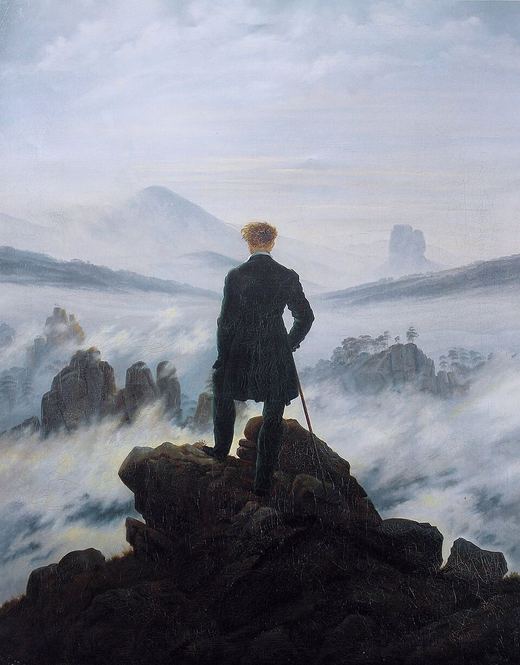
Caspar David Friedrich grew up on the Baltic coast, lost his mother and a brother young, and made landscape painting a form of prayer. His figures stand with their backs to us — the Rückenfigur — gazing at fog seas, ruined abbeys, chalk cliffs and moonrises, so that we stand where they stand. The Wanderer above the Sea of Fog, painted about 1818, became Romanticism's defining image and, two centuries later, the internet's favourite emblem of solitude and ambition. Friedrich died poor and forgotten in Dresden; the twentieth century rescued him, and the Hamburger Kunsthalle now holds the world's finest walk through his silence.
Treasures in our library (1)
Information profile — unclaimed. The artist, their estate or their institution may claim and take over this page.
Artsymus is a technology platform: we never buy, sell or hold artworks. Explanations are information from recorded open-access sources — not appraisals or professional advice — and a certificate check only confirms that a record matches; it never authenticates a work.
Artsymus is a technology platform. We never buy, sell or hold artworks — artists sell, collectors buy, we provide the technology.