The Papyrus of Ani — the Book of the Dead
Held at British Museum · London, United Kingdom
Why everyone wants to see it
The most beautiful 'Book of the Dead' ever made — a picture-book guide to surviving the afterlife.
The story
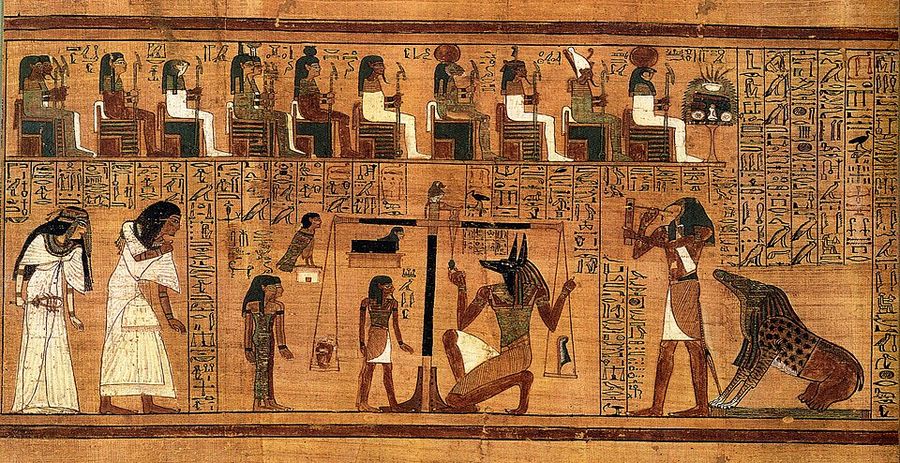
For wealthy Egyptians, death came with an instruction manual. The 'Book of the Dead' was a collection of spells, passwords and maps for the dangerous journey through the underworld to paradise. The finest surviving copy belonged to Ani, a royal scribe in Thebes around 1250 BC, and his wife Tutu. Written and painted by master artists, its vignettes show the couple bowing before gods, working in the fields of the afterlife, and facing the great judgement: Ani's heart weighed on scales against the feather of truth, watched by the gods. Because the papyrus is so light-sensitive, the British Museum displays it in sections under low light — seeing any part of it feels like being let in on a secret. It remains the single richest picture of what ancient Egyptians hoped, feared and believed about what comes after death.
One wow fact
The scroll is about 23 metres long. Its most famous scene shows Ani's heart being weighed against a feather: heavier than the feather meant being devoured by a monster.
More treasures at this museum
- The Rosetta Stone British Museum
- The Gebelein Mummy, known as “Ginger” British Museum
- The Parthenon Sculptures British Museum
- The Benin Bronzes British Museum
- Hoa Hakananai'a — the Easter Island Moai British Museum
- The Sutton Hoo Helmet British Museum
Same culture · Ancient Egypt
- The Rosetta Stone British Museum
- The Gebelein Mummy, known as “Ginger” British Museum
- The Gold Mask of Tutankhamun Grand Egyptian Museum
- Khufu's Solar Boat Grand Egyptian Museum
- The Bust of Nefertiti Neues Museum
- The Temple of Dendur The Metropolitan Museum of Art
Information page — not the museum's official page. Museums can claim and enrich this profile free of charge.
Artsymus is a technology platform: we never buy, sell or hold artworks. Explanations are information from recorded open-access sources — not appraisals or professional advice — and a certificate check only confirms that a record matches; it never authenticates a work.
Artsymus is a technology platform. We never buy, sell or hold artworks — artists sell, collectors buy, we provide the technology.